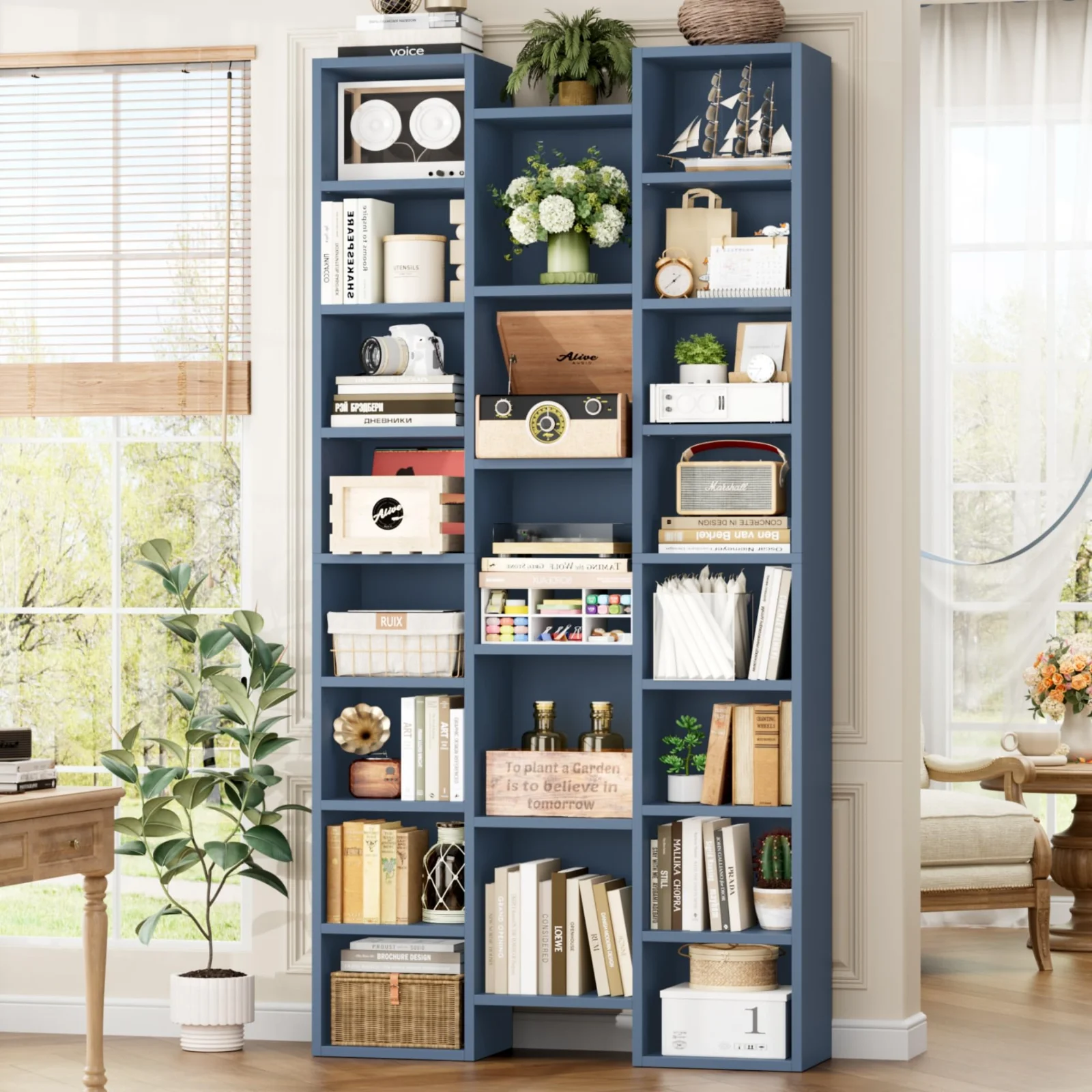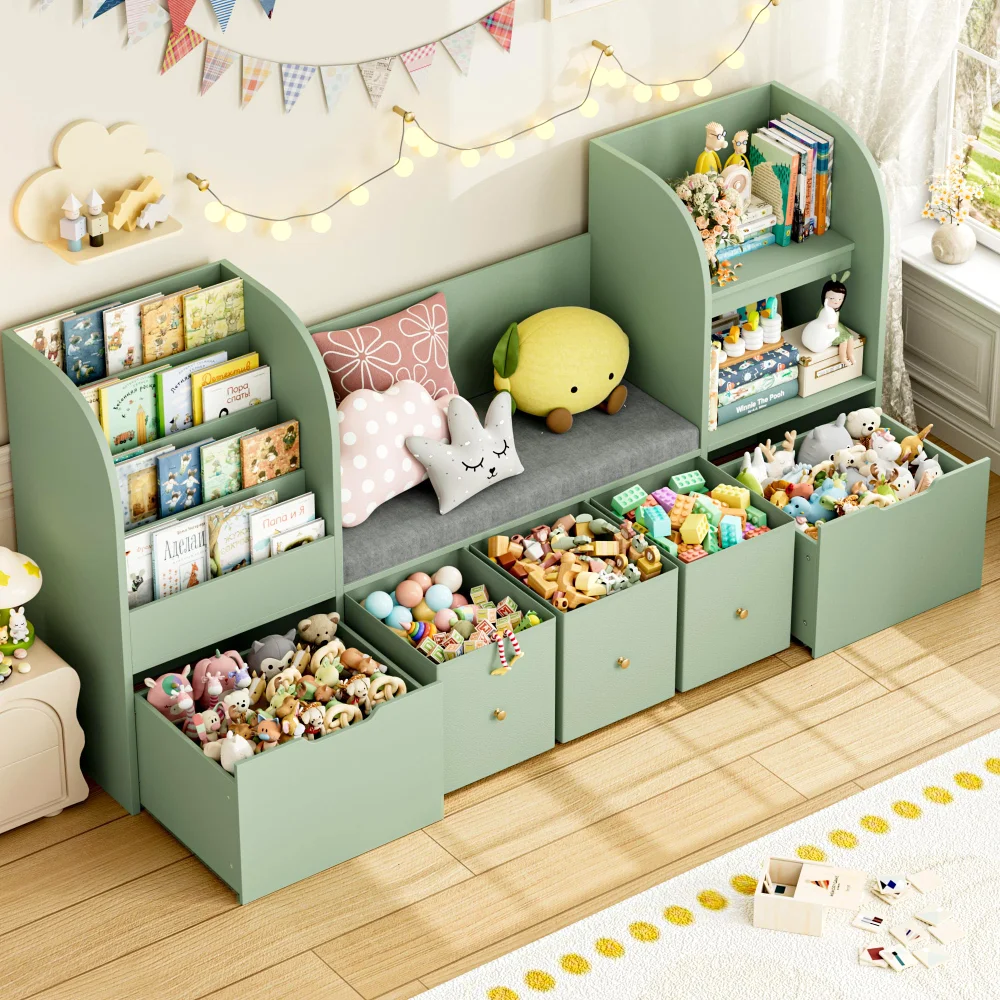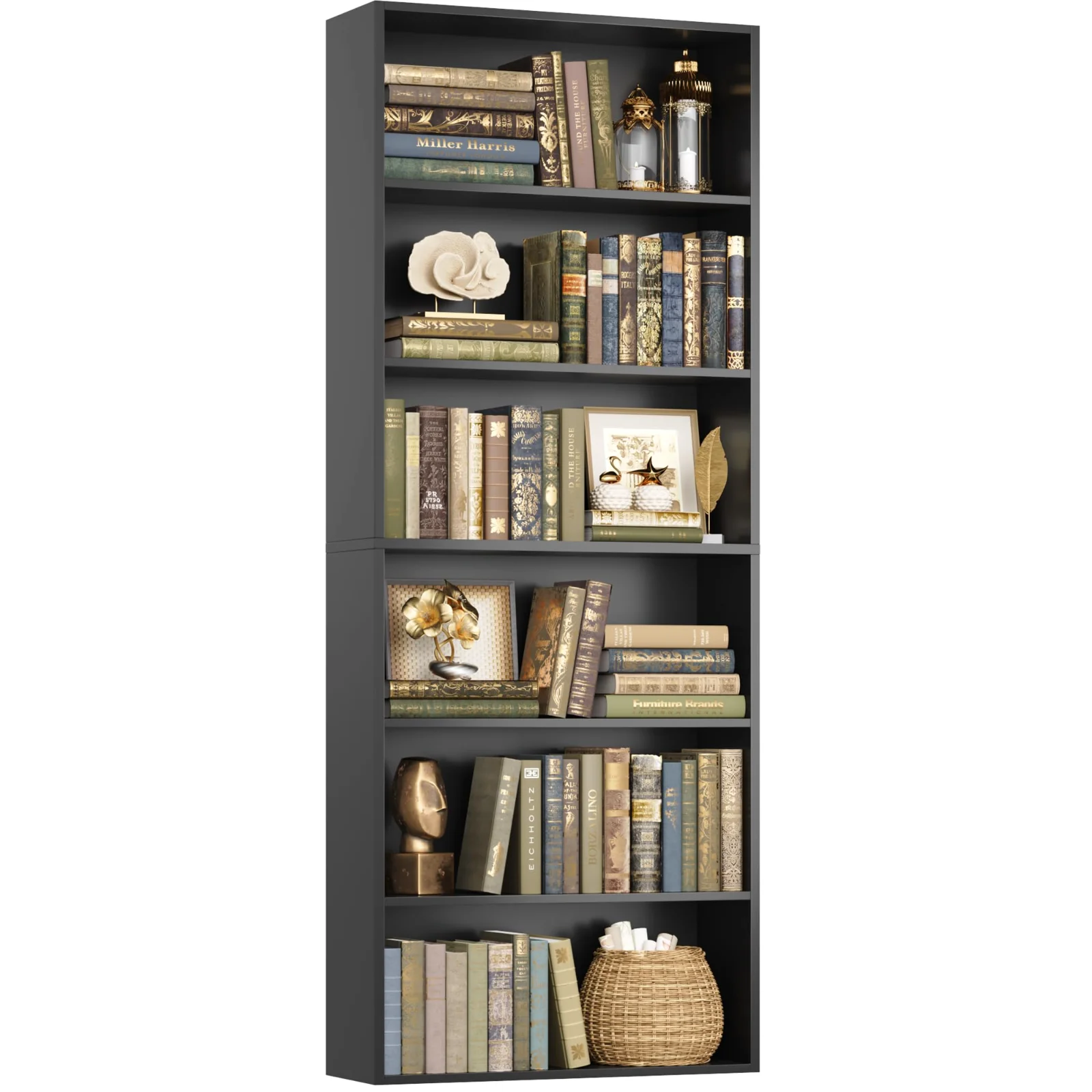
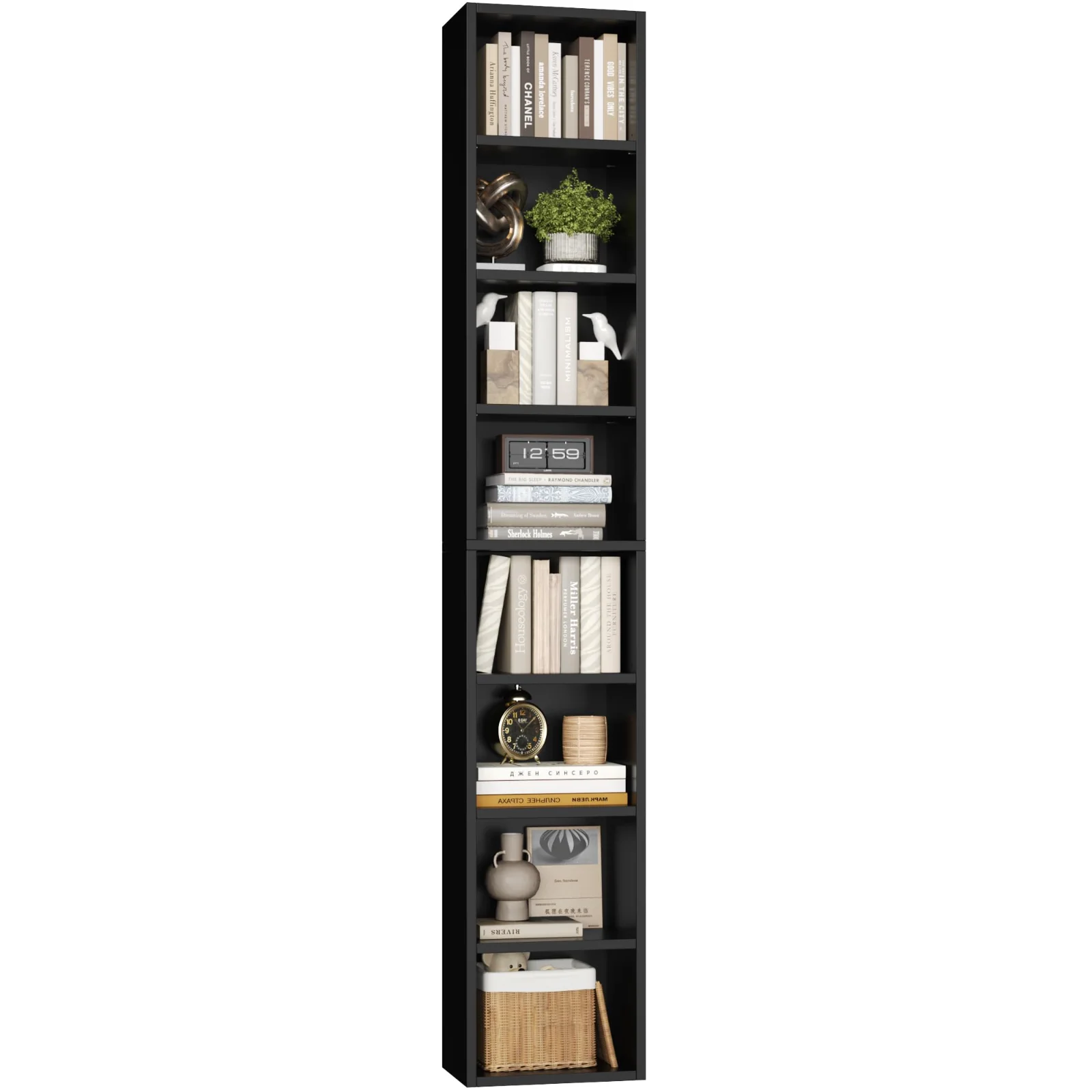
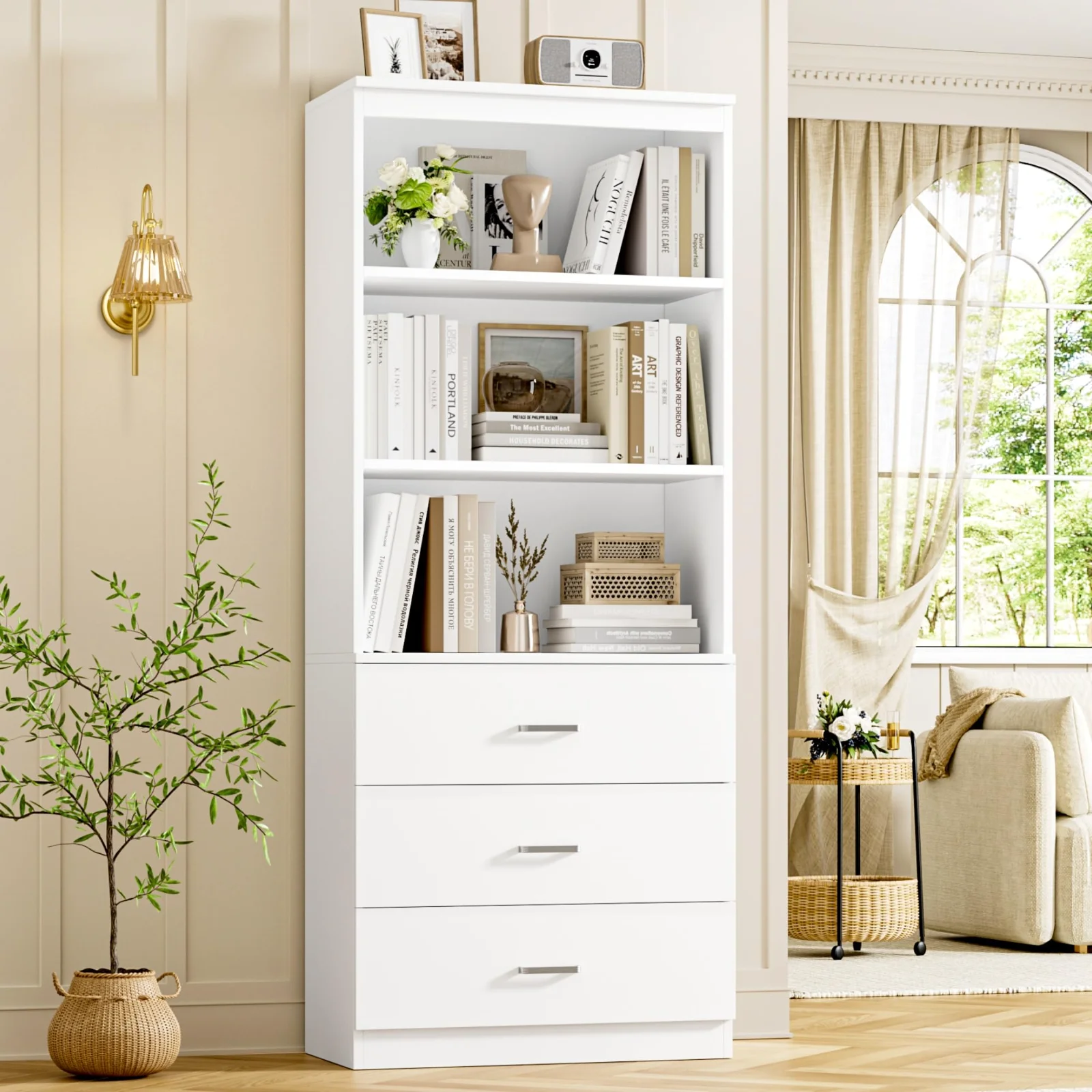
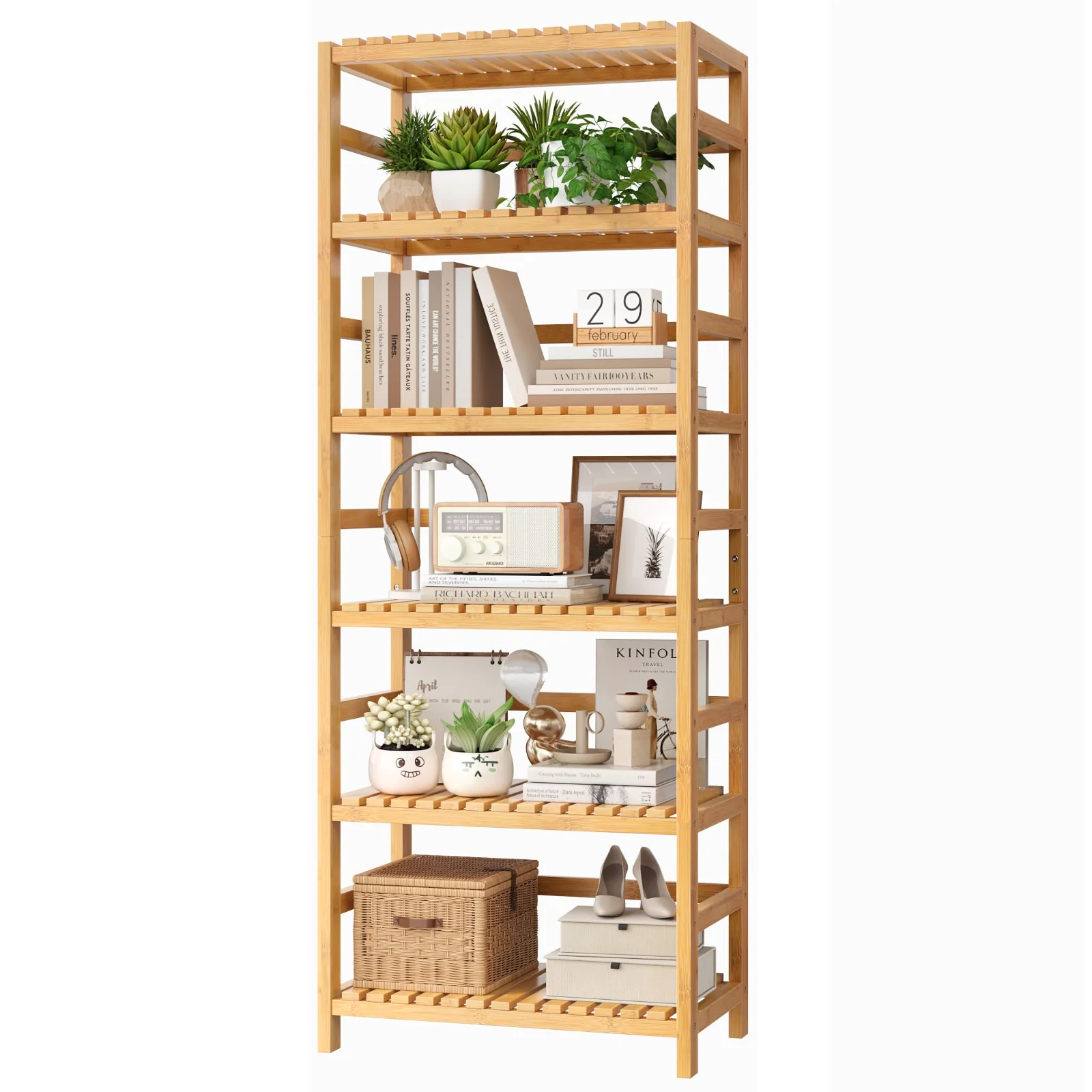
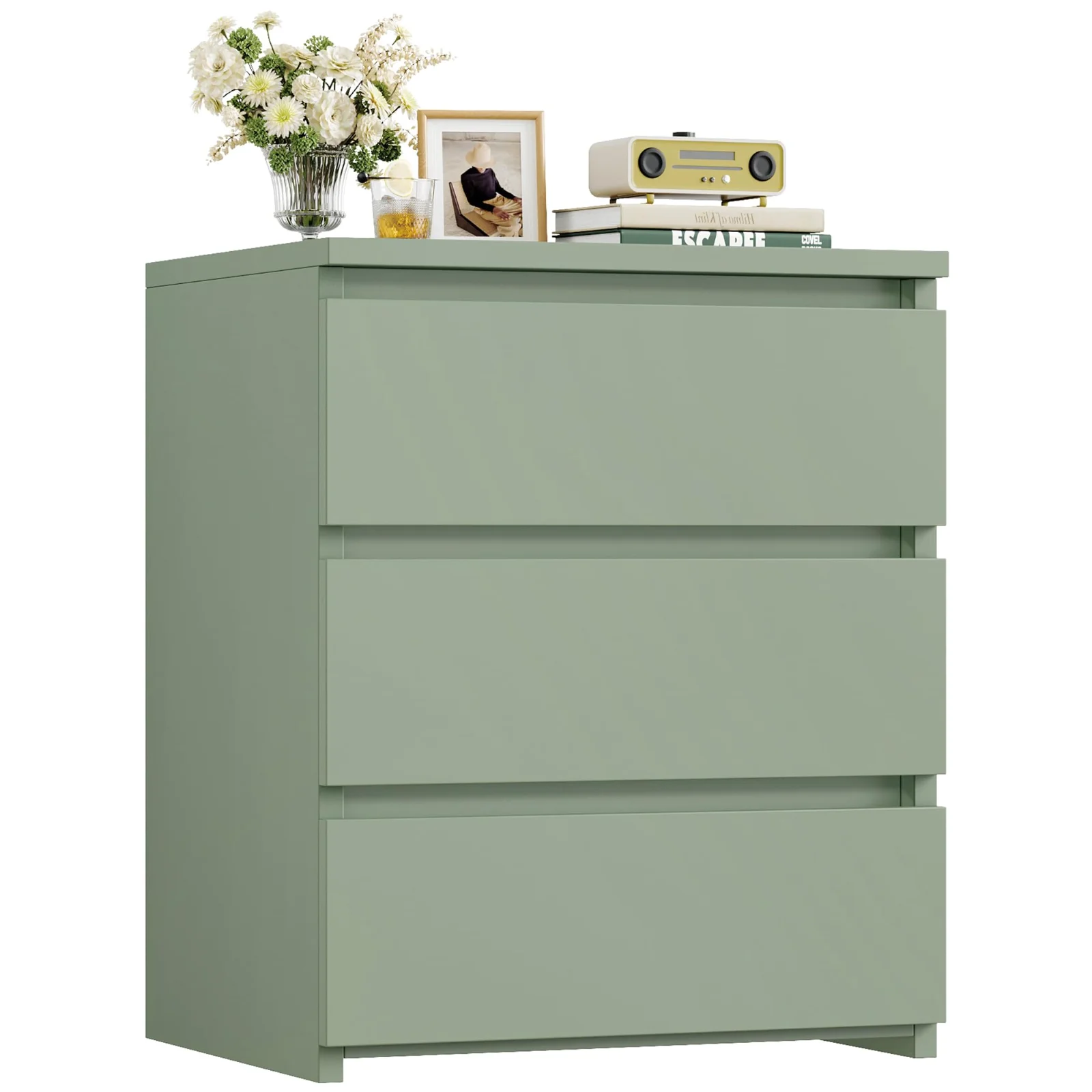
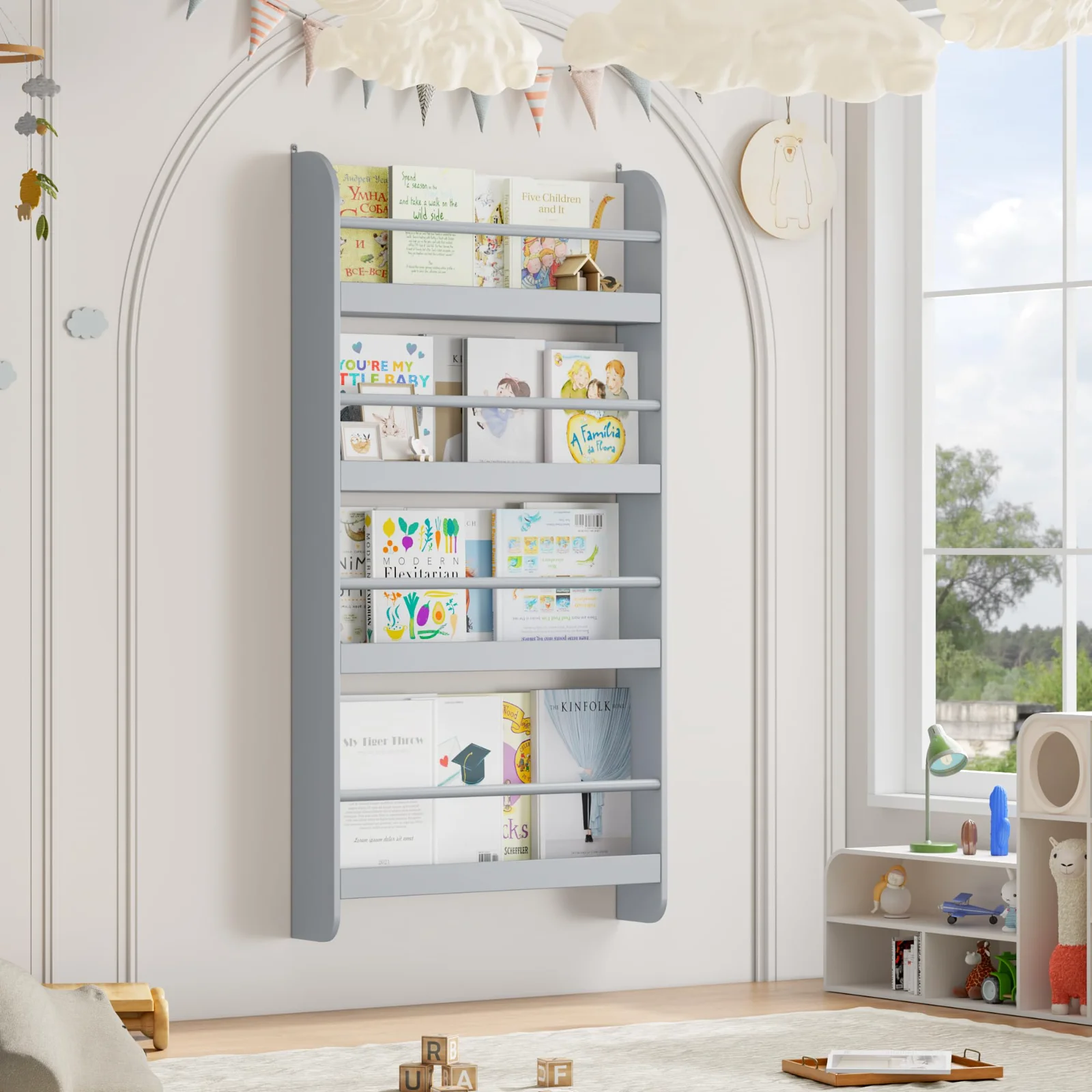
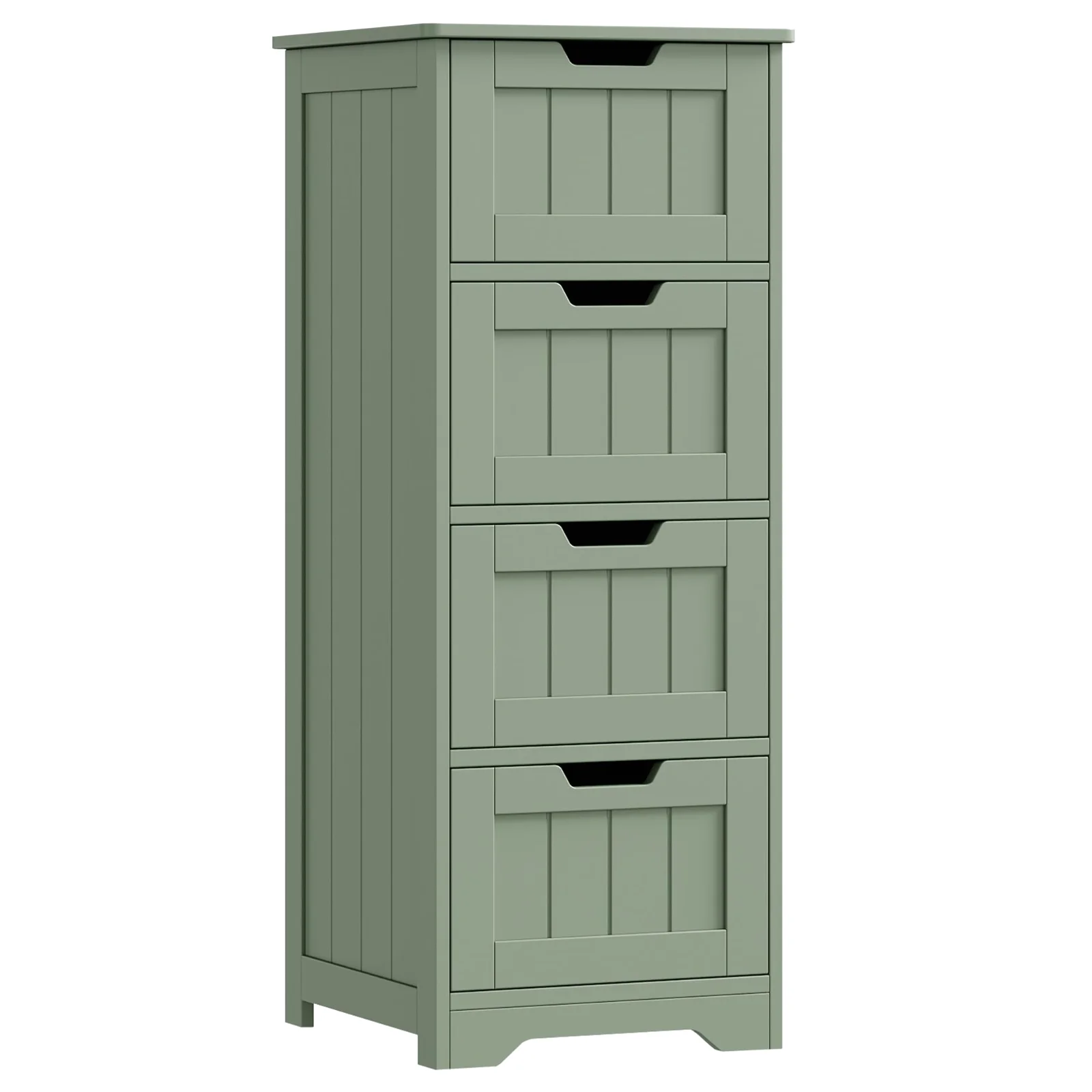
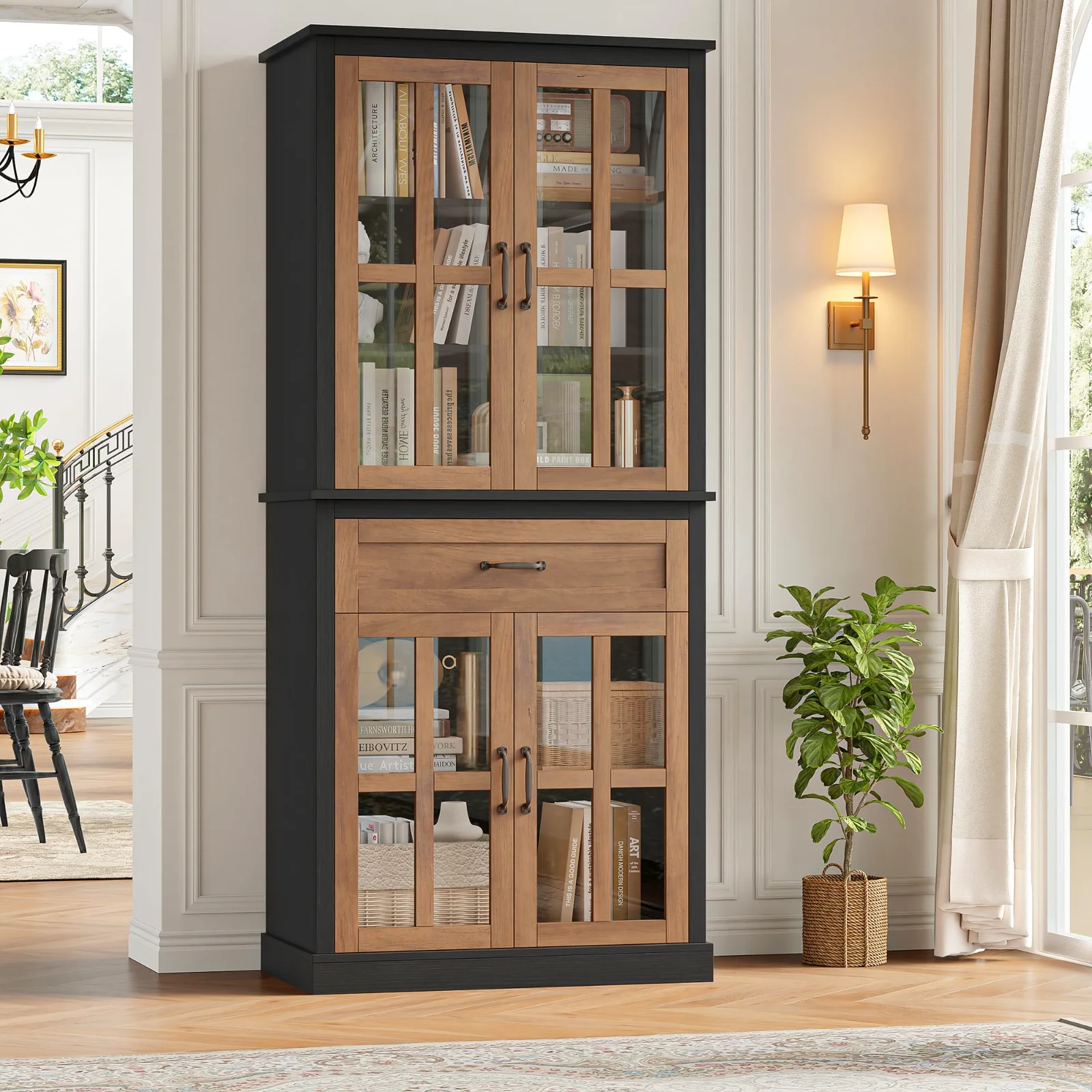
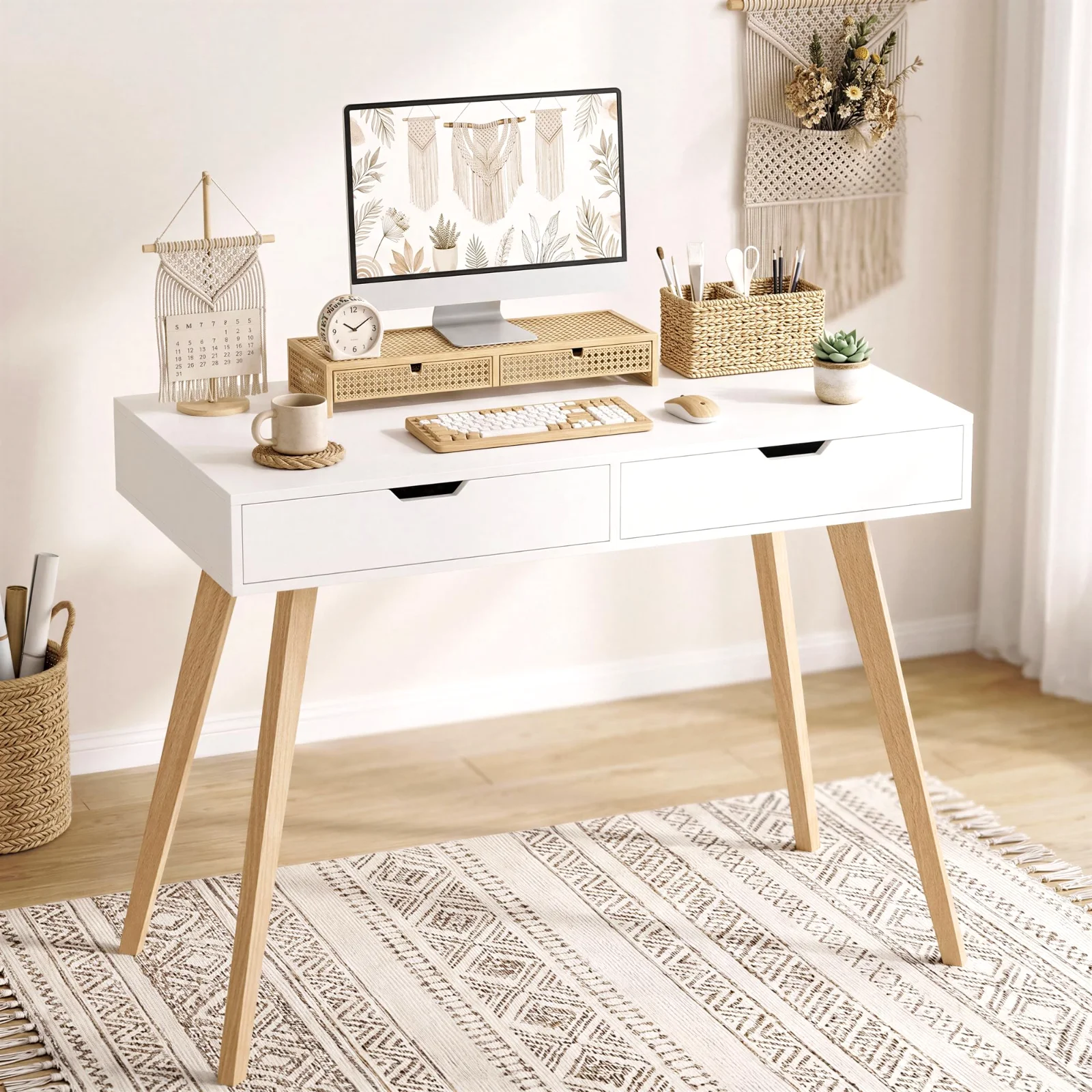
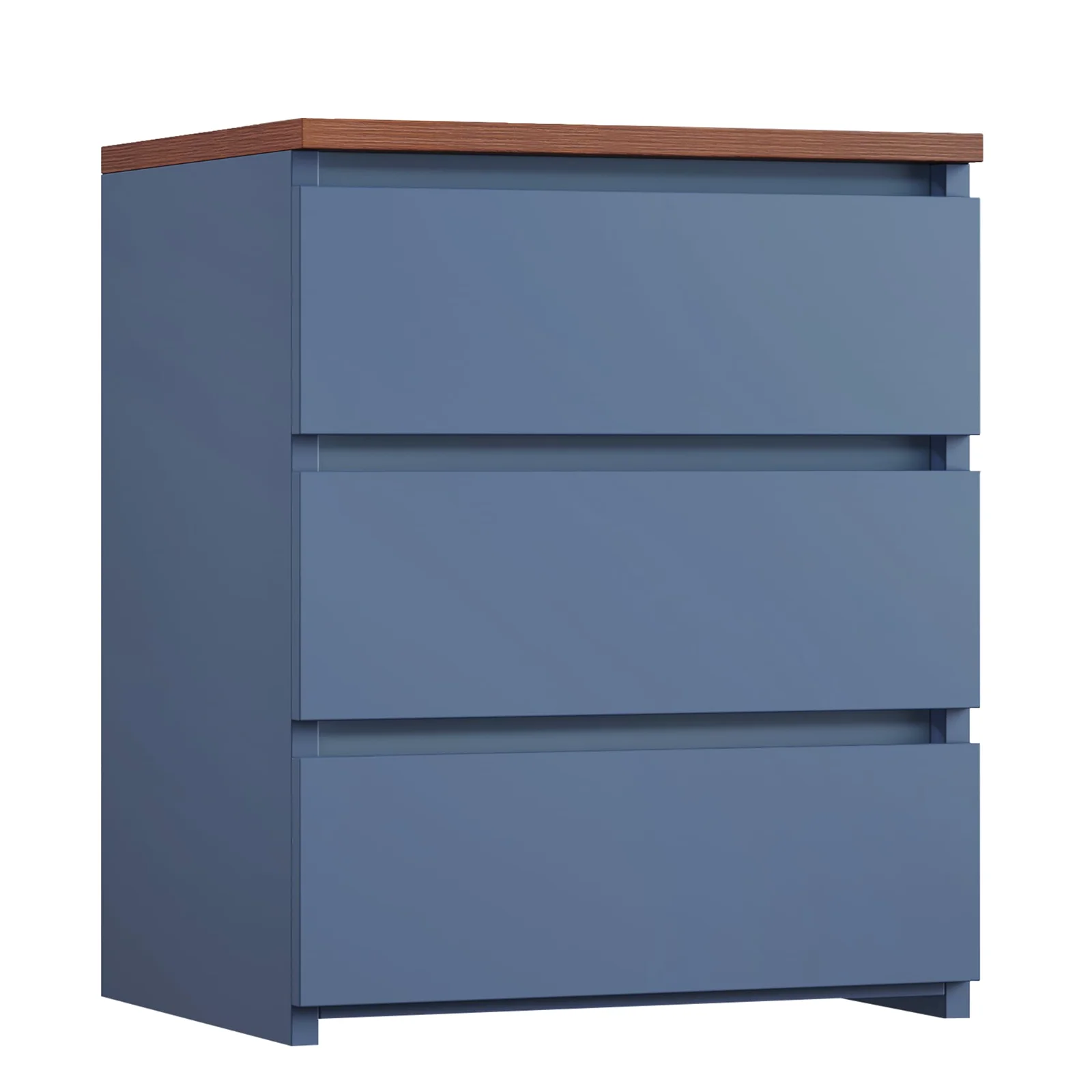
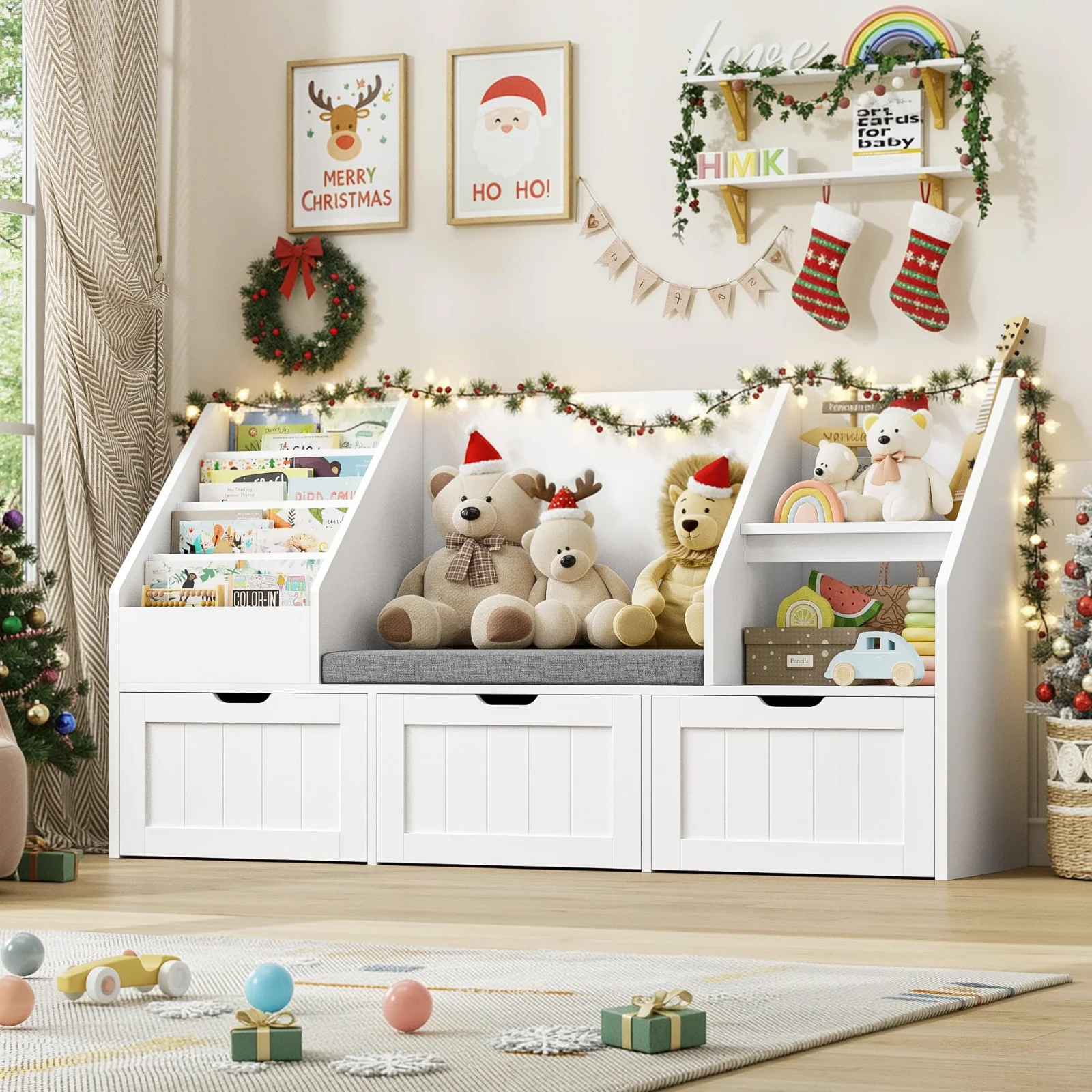
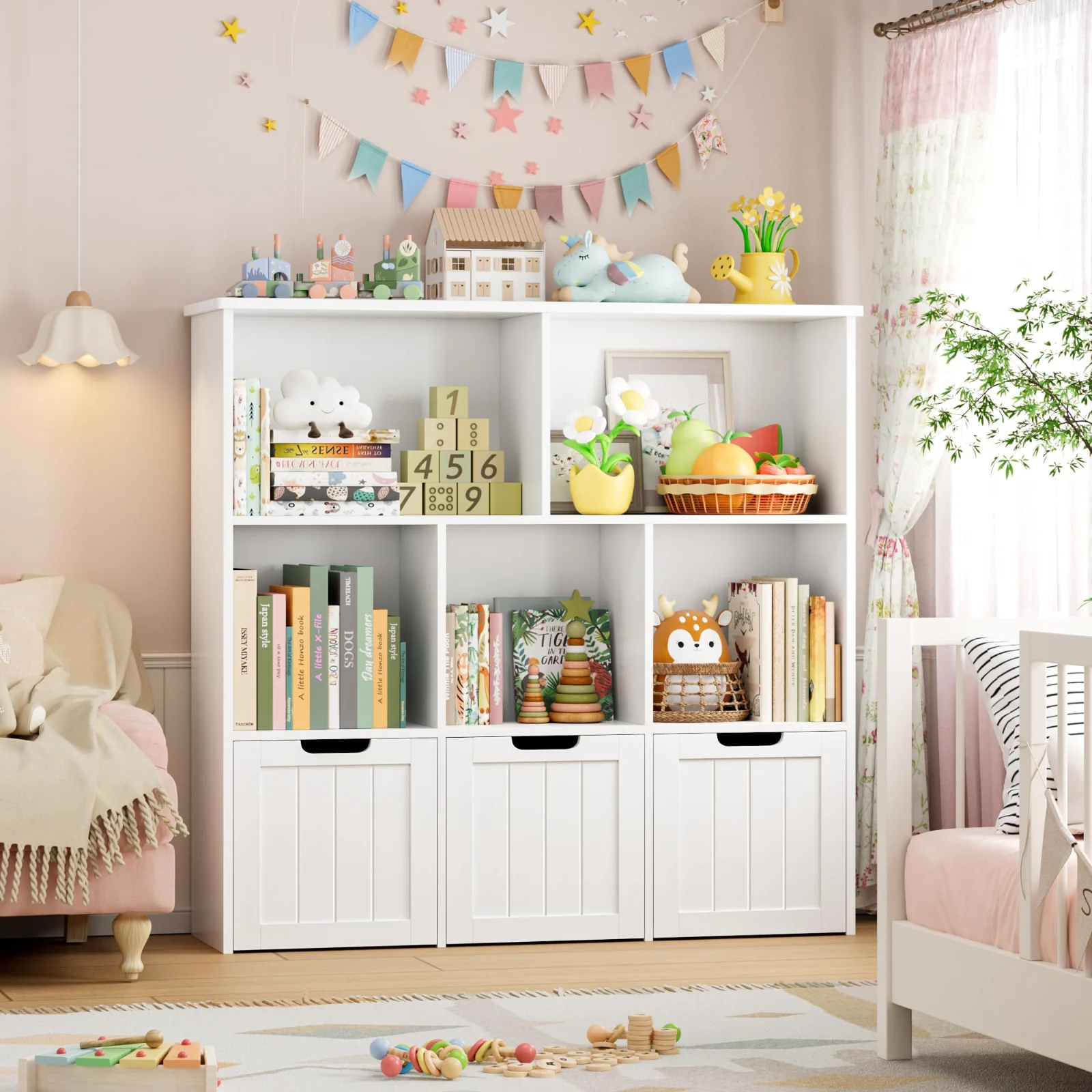
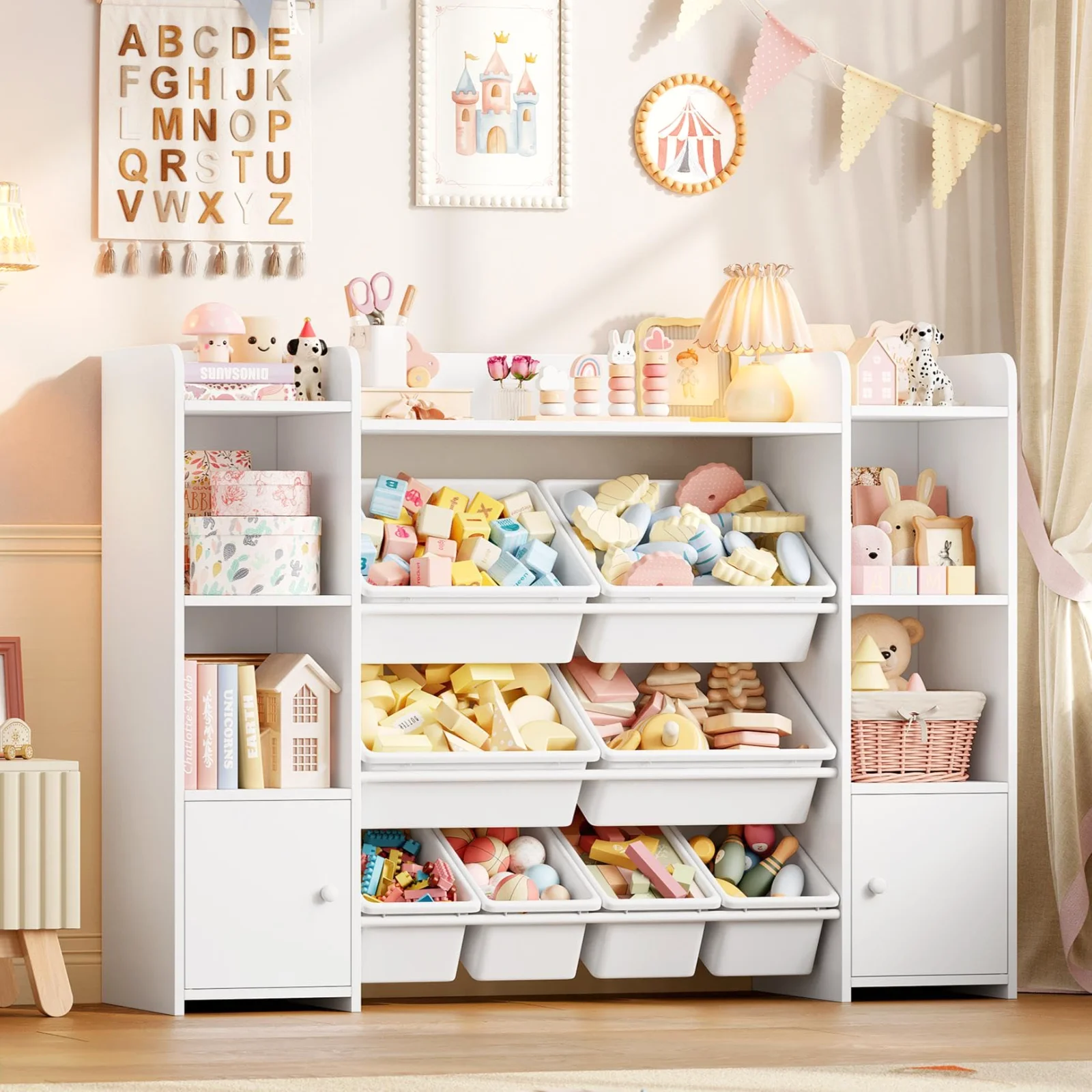
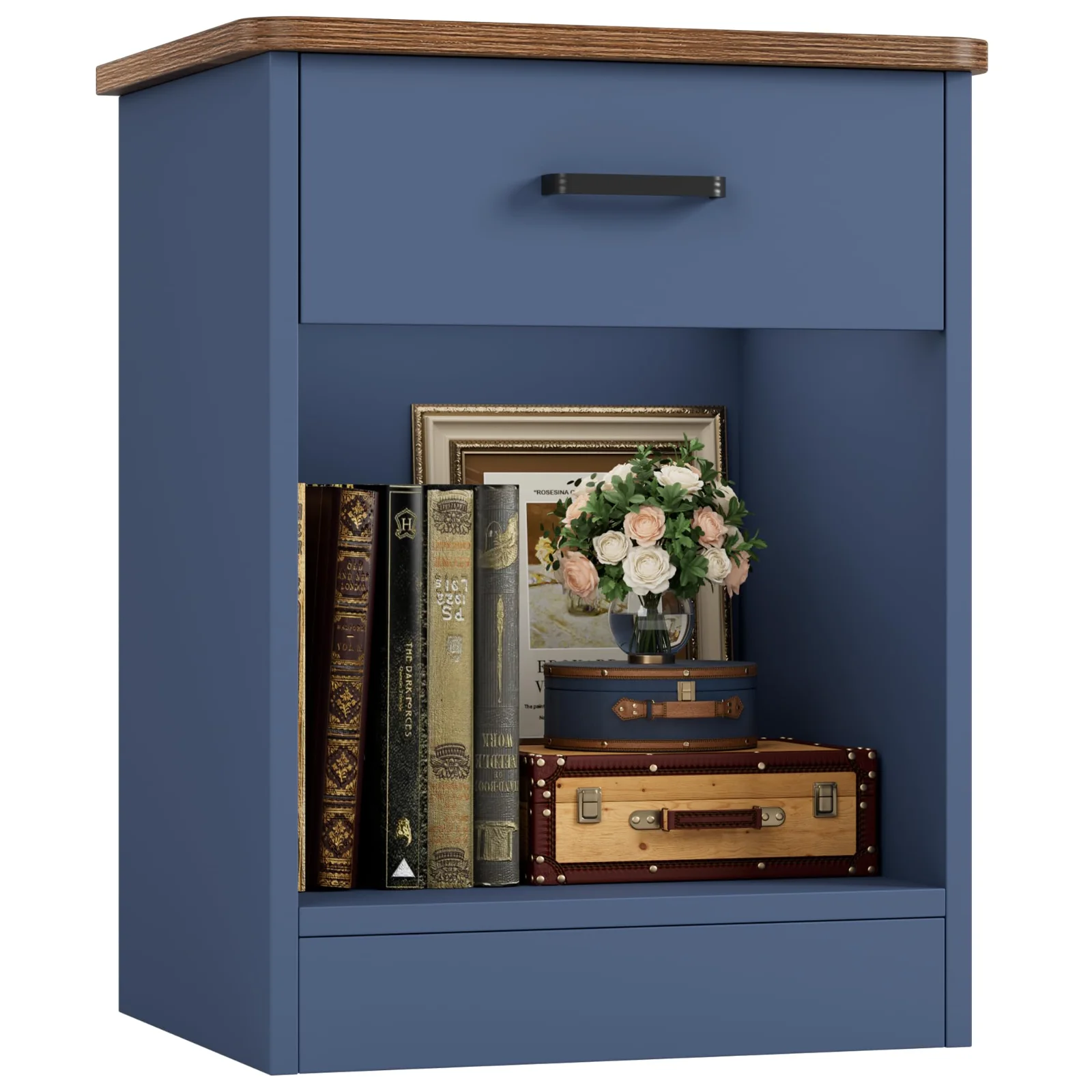
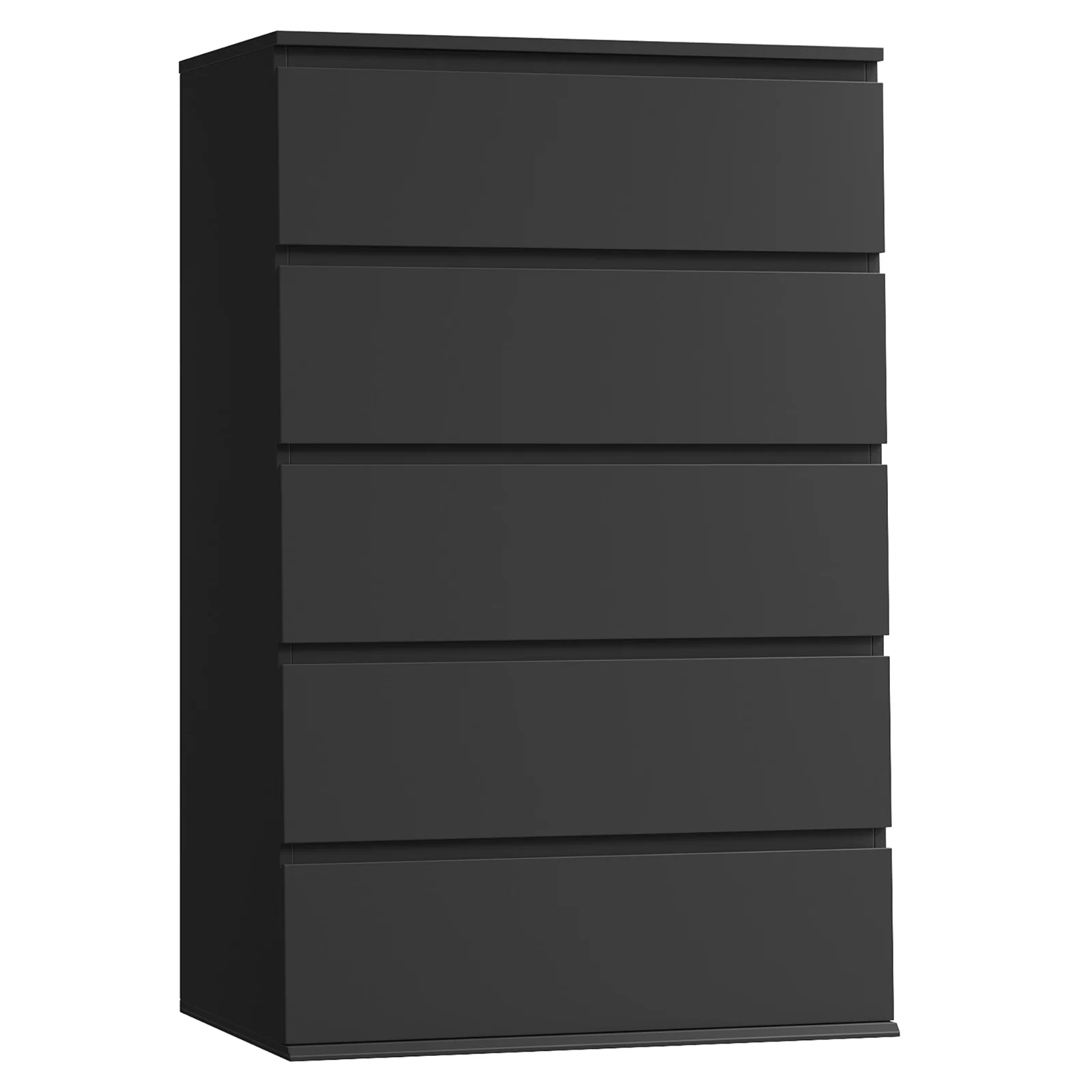
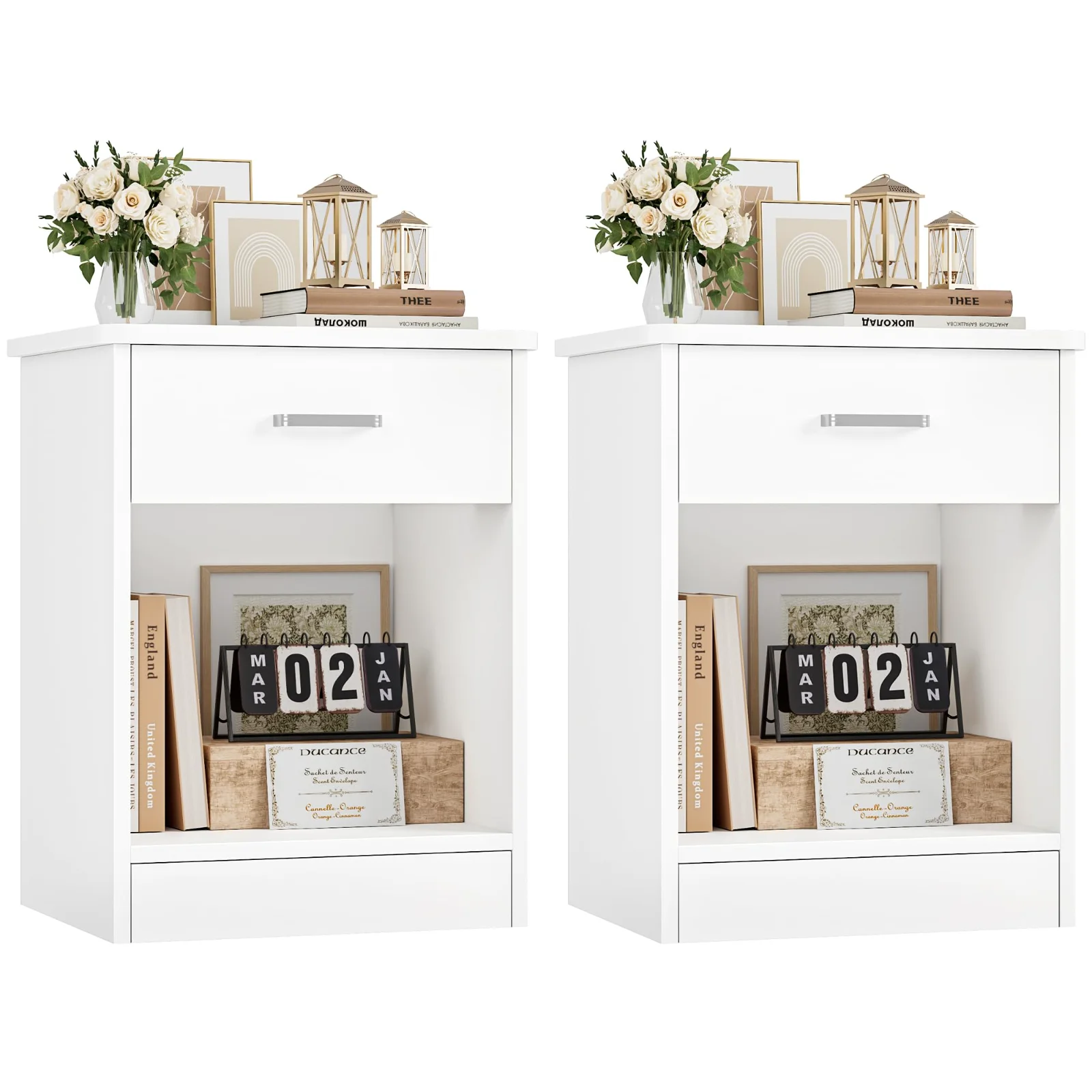
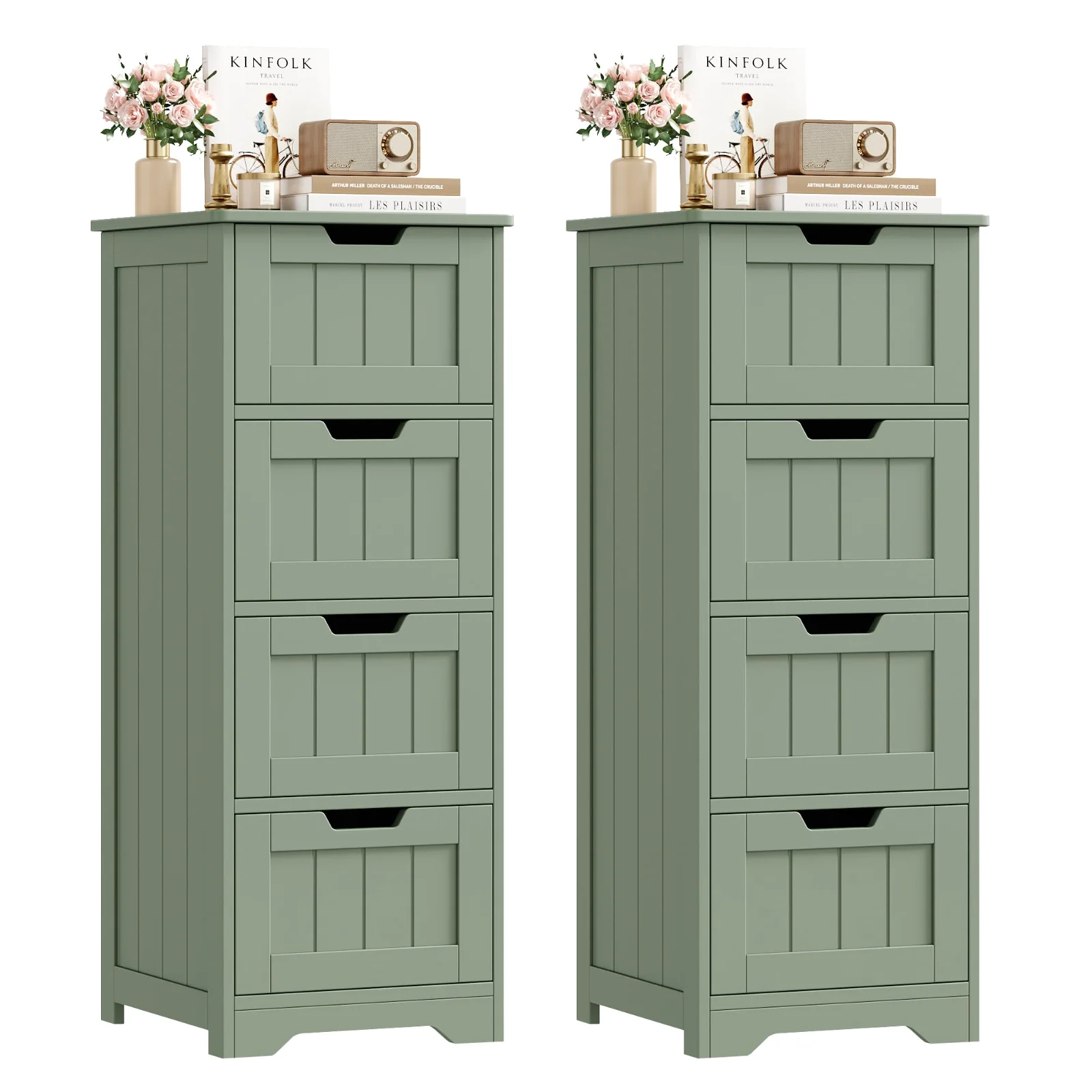
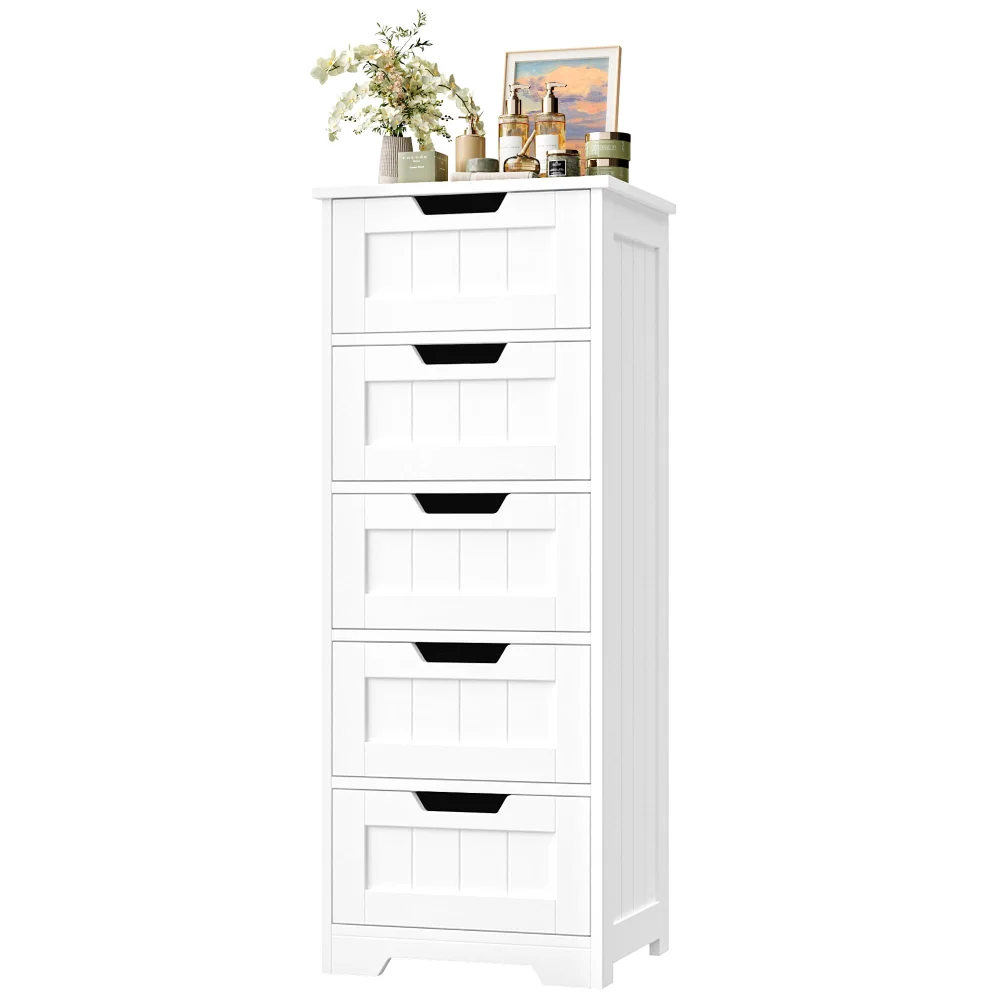
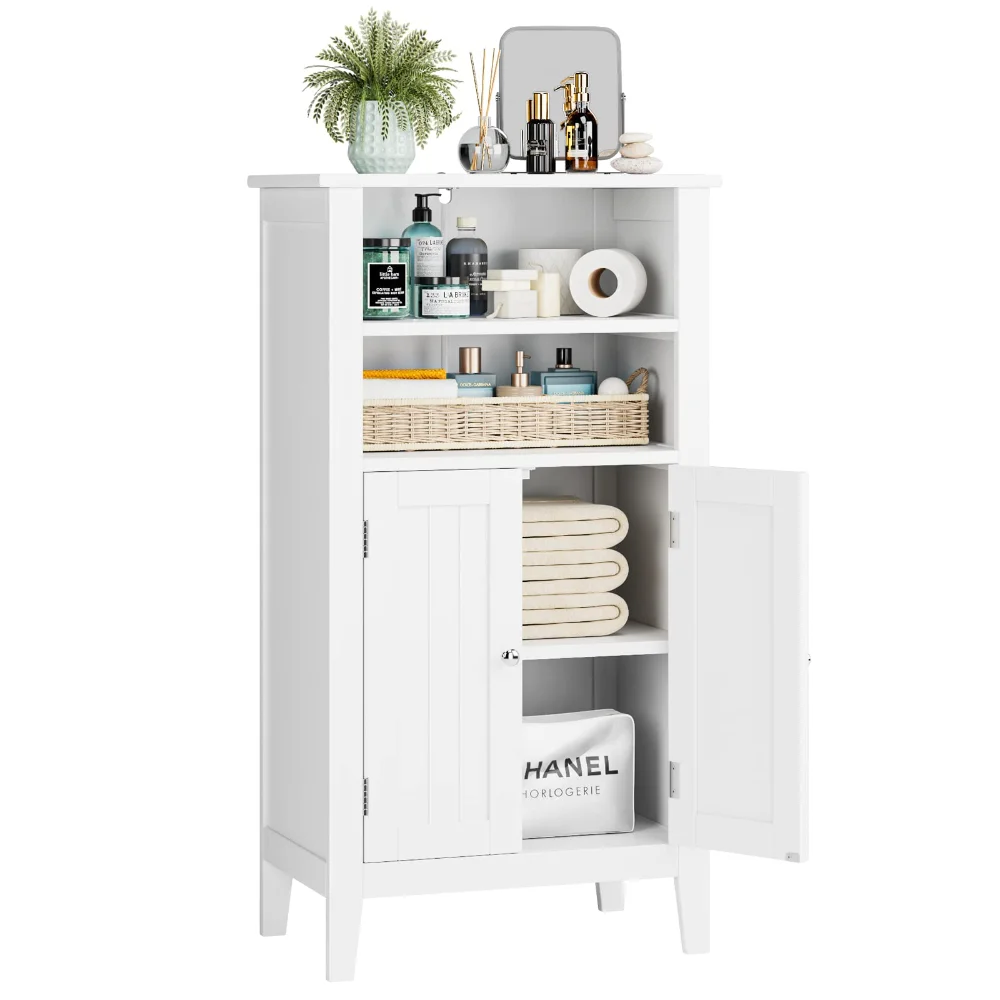
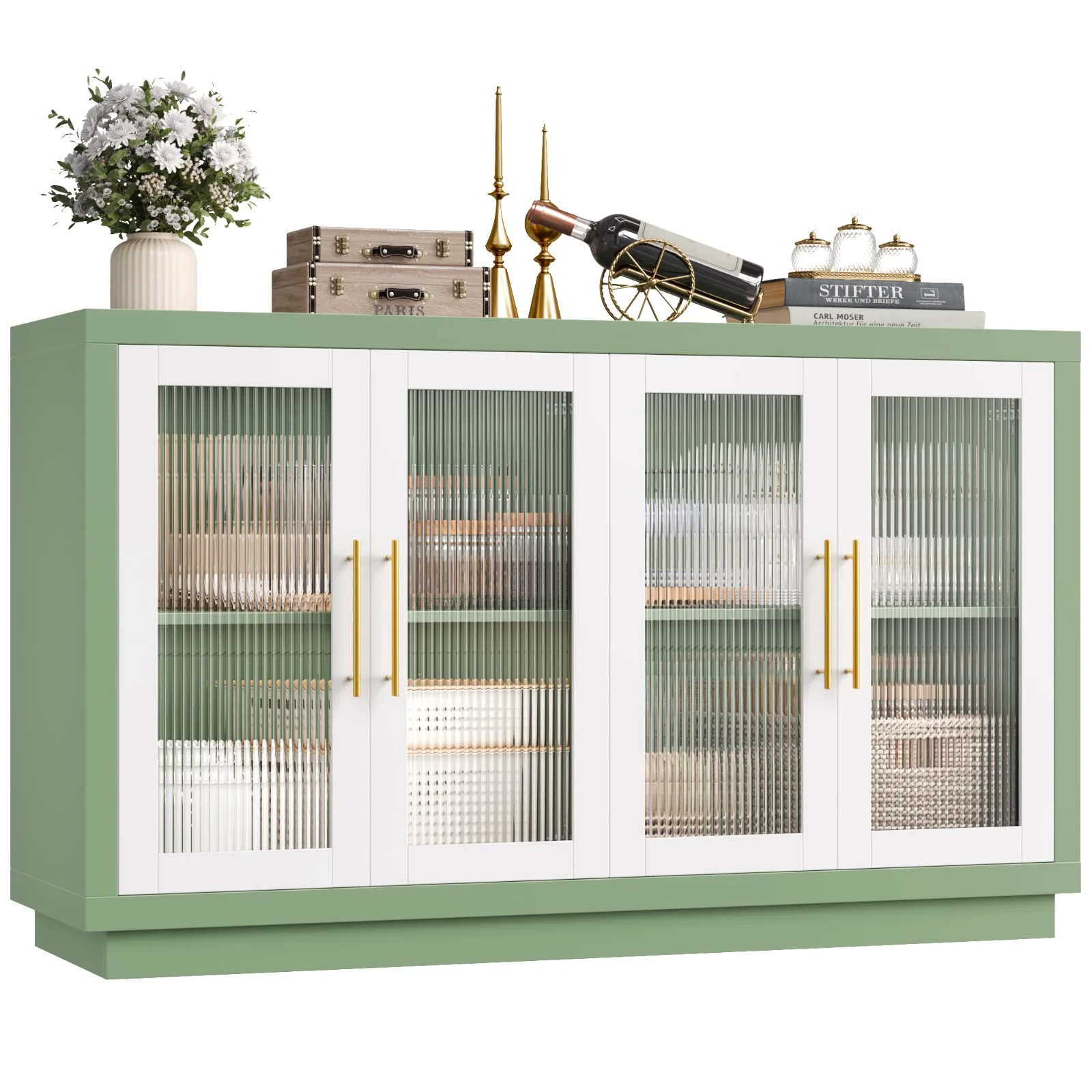
Almost every piece of storage furniture that disappoints somebody was chosen the same way: by looking at a photograph, liking it, and hoping. The hoping is the part that fails. A bookcase is not a picture, it is a rectangle with three numbers, and every one of those numbers has to agree with a wall that already exists and cannot be argued with.
So the first thing on every card in this catalogue is not a mood or a style name. It is the height, the tier or drawer count and the finish, printed where a buyer can hold them against a tape measure and a wall. Style comes second on the card because it comes second in the decision, and pretending otherwise is how furniture ends up back in its carton.
Height is the number that fails first
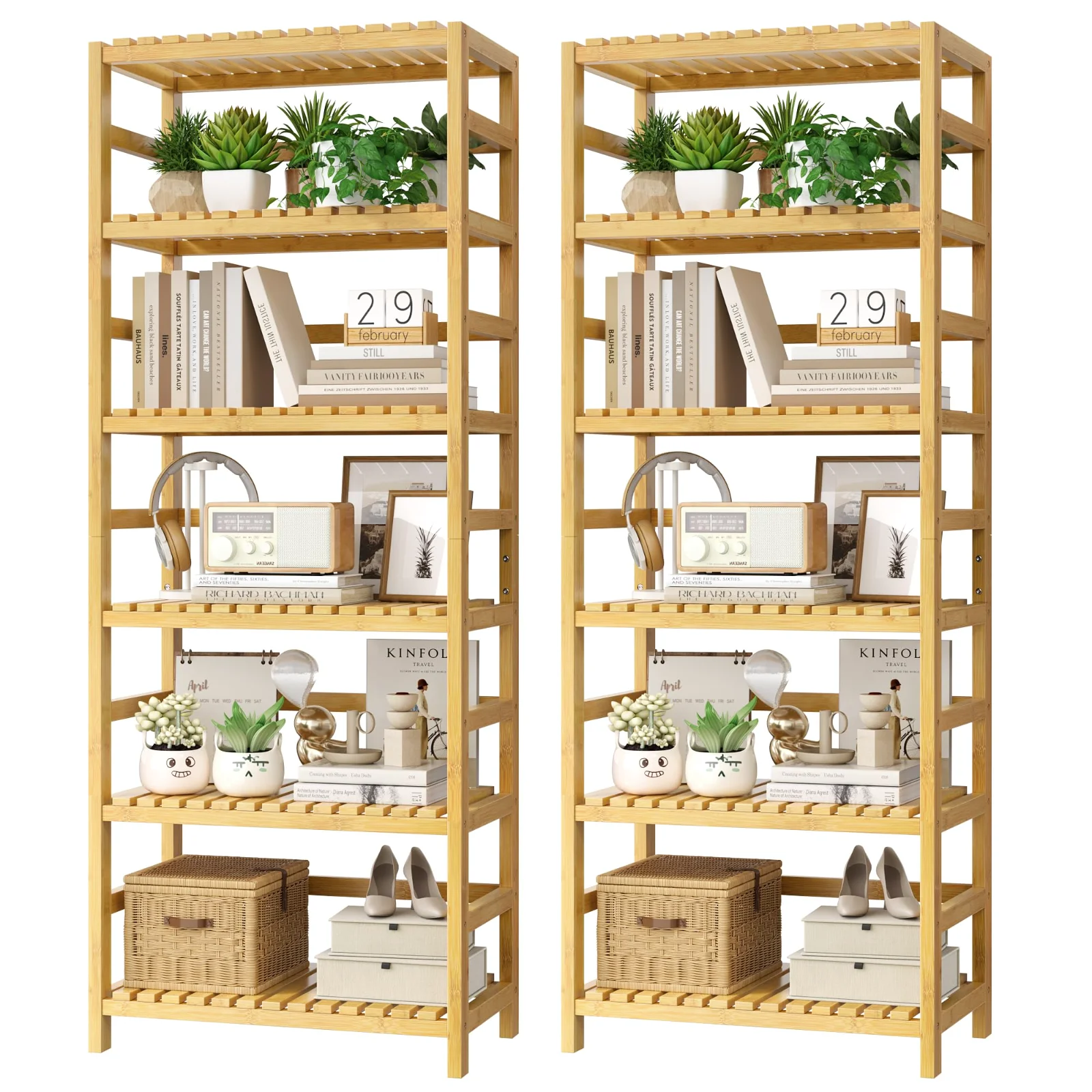
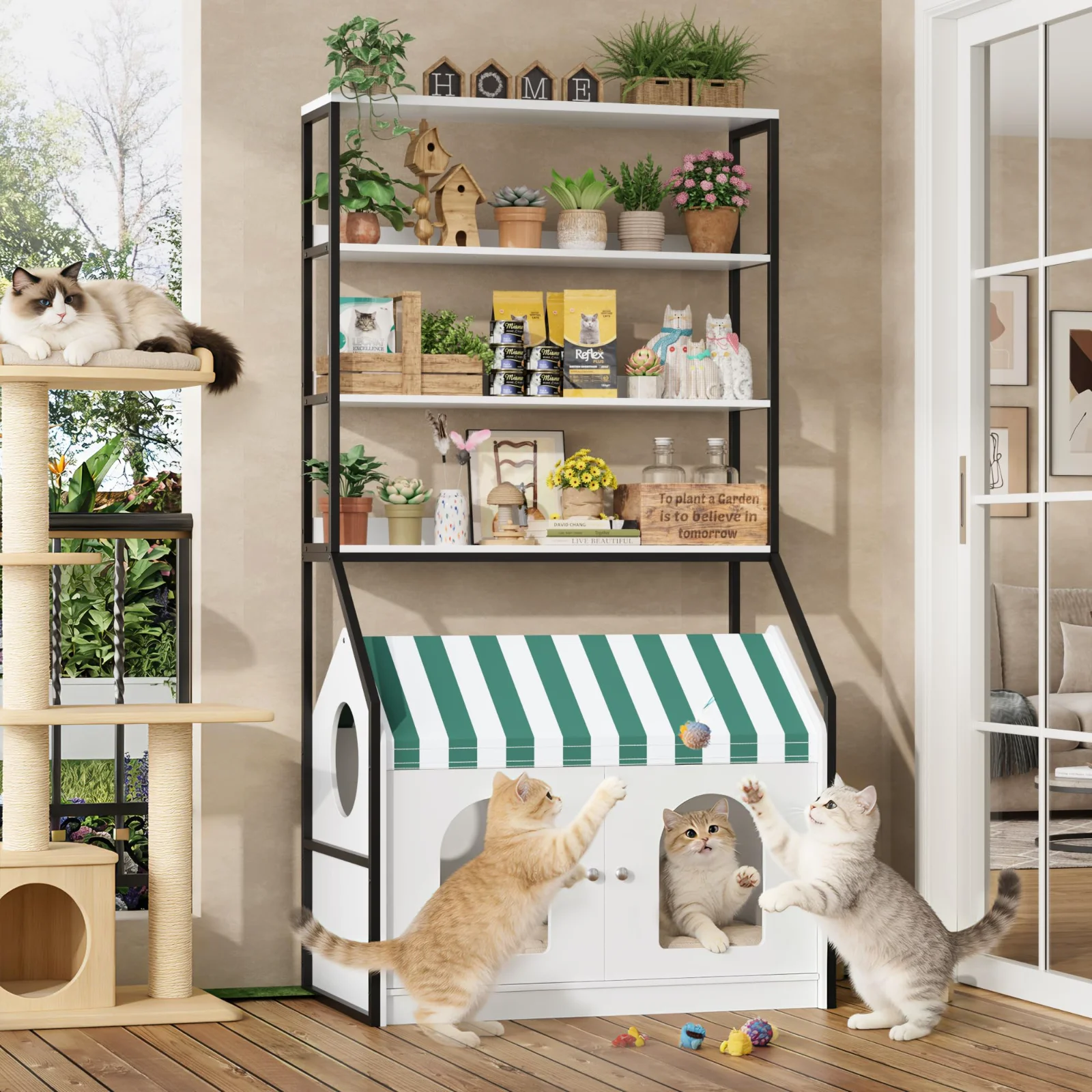
Our tall cases run to seventy-one, seventy-two and seventy-five inches, and those numbers are not arbitrary. They are what clears a standard eight-foot ceiling with enough air above the top shelf that the piece reads as furniture rather than as a partition. They also fit under the sloping part of most stairwell walls, which is where a narrow bookcase most often ends up.
The failure they guard against is the one nobody photographs: a case that technically fits the wall but not the room. A seventy-five inch cube wall in a room with a low window sill will cover half the light. The same piece against the opposite wall is the best thing in the room. Height is a conversation with the whole room, not with one strip of plaster, and it costs nothing to have that conversation with a tape measure before ordering rather than with a carton after.
Depth is the number that decides the walkway
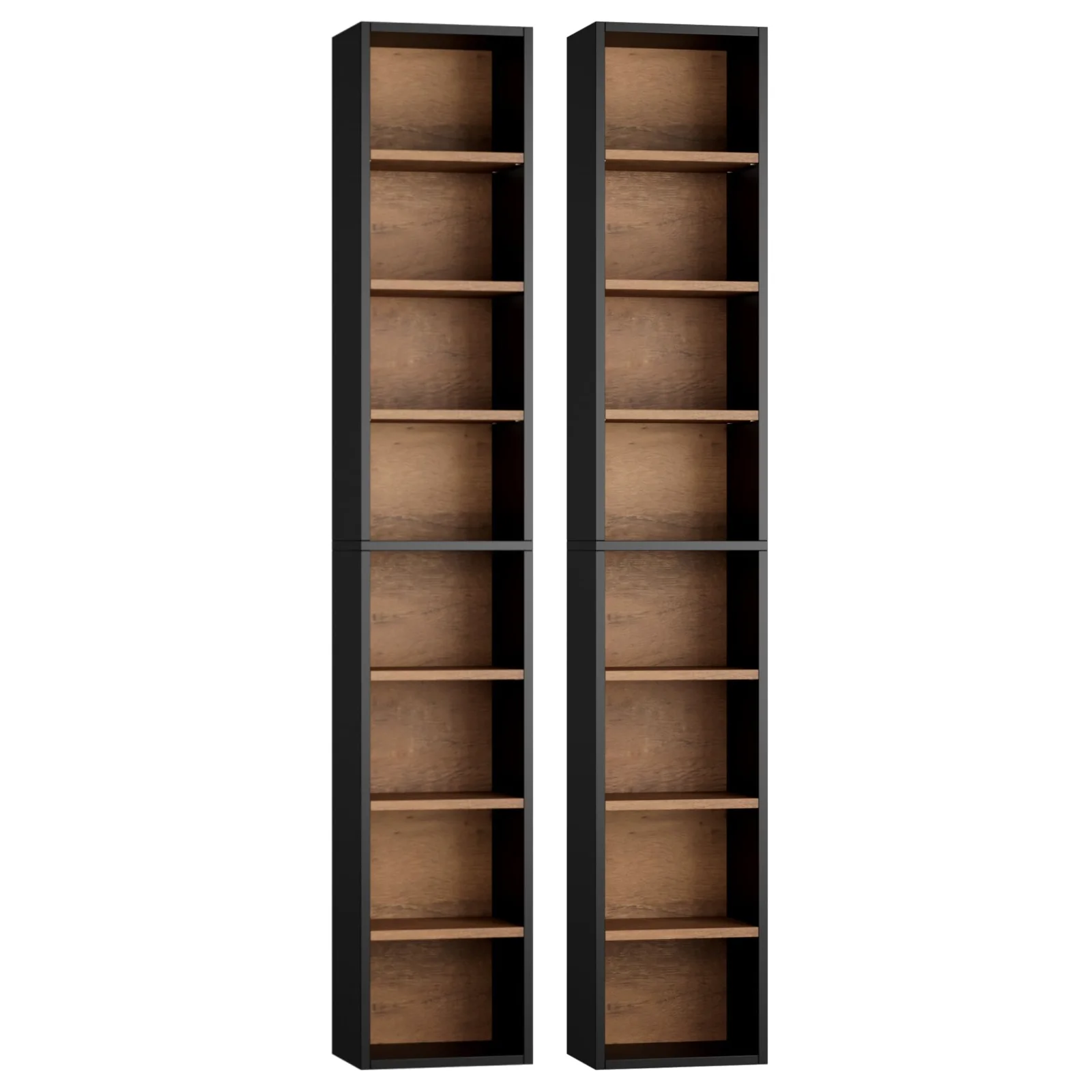
Depth is where a room gets lost. A narrow media tower is around eleven inches deep because a disc is about five and a half; a bookcase for hardbacks needs closer to twelve. Add a skirting board, and the piece stands a further half inch proud of the wall than its own dimension suggests.
The number that matters is the one left over: the walkway. Below about thirty inches of clear floor a route stops being comfortable, and below twenty-four it stops being a route. Measuring the leftover before ordering, rather than the furniture, is the single habit that separates rooms that feel finished from rooms that feel crowded.
Width is the number people get right and then ignore
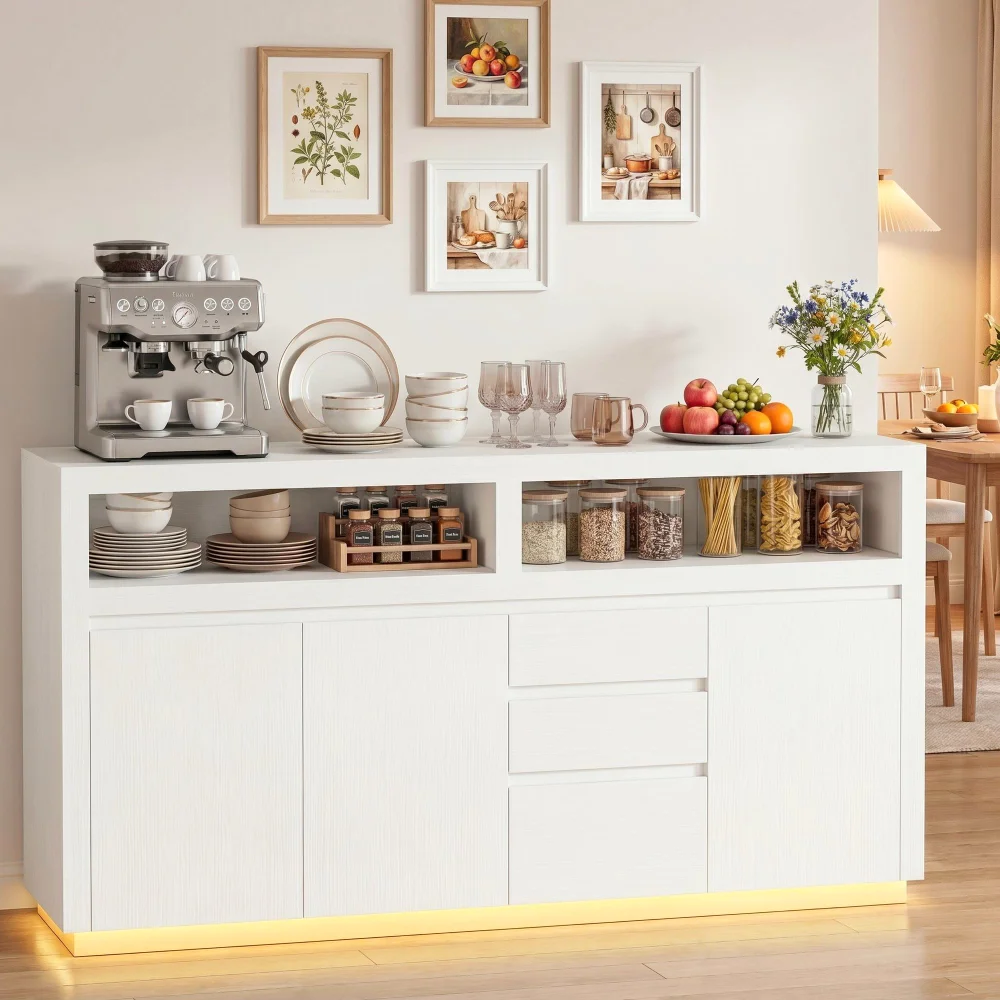
Width is easy to measure and easy to misuse, because the wall is rarely as wide as it looks. Radiators, sockets, door swings and skirting all eat into it, and a sixty-three inch sideboard against a sixty-four inch wall will meet a socket before it meets the corner.
The practical rule from our own returns reading is to take the narrowest measurement of the wall, at the height the piece will actually occupy, and then subtract an inch for the trades of getting it into place. Two people carrying an assembled cabinet need that inch. So does the person who will one day want to hoover behind it.
What the tier count actually tells you
A tier count is a proxy for spacing, and spacing is what decides whether your things fit. Six tiers in seventy-one inches gives roughly eleven inches of clear height per shelf, which takes a hardback upright and a photograph frame lying flat. Eight tiers in the same height gives about eight and a half, which is a disc collection, a row of paperbacks or a wall of small boxes, and will not take a hardback at all.
This is the number most often skipped, and it is the one that produces the quiet regret of a shelf that looks right and holds nothing you own. Count the tallest things you plan to shelve, measure one, and read the tier count against it before the finish enters the conversation at all.
It is also the number that decides whether a room gets one piece or two. A household with a mixture of hardbacks and paperbacks is usually better served by a six-tier case for the tall things and a narrow eight-tier tower for the rest than by one compromise that suits neither, and the two together often occupy less wall than the single oversized case that gets bought instead.
The number we will not let you skip
There is one measurement in this catalogue that is not about fit, and we put it on every product page rather than in a footnote: a floor-standing piece with drawers, doors or shelves belongs anchored to the wall. The consumer safety commission has campaigned on exactly that sentence for a decade, the fittings ship in the carton, and the job takes about ten minutes with a stud finder and a drill.
It is the least photogenic step of any build, which is precisely why so many catalogues let it slide to the end of a manual nobody finishes reading. Ours puts it in the sheet as a numbered step and on the page as a standing line. A dresser that is not anchored is not a finished build; it is a build with the last step missing.
Reading a room instead of a photograph
Put the four numbers together and a room plans itself in about fifteen minutes. Measure the wall at the height the piece will stand, subtract the sockets and the swing of any door. Measure the walkway that will be left. Measure the tallest thing you intend to store. Then read the cards on these shelves against those four figures, and the shortlist usually collapses to two pieces, which is the point at which a finish and a colour become a pleasant decision rather than a gamble.
| Measure this | Where it goes wrong | What to check on our cards |
|---|---|---|
| Wall height, at the spot | A case that covers a window or blocks a light switch | The height in inches, printed first on every card |
| Wall width, at the piece height | A sideboard that meets a socket before the corner | Width where our data carries it, and the finish family |
| Walkway left over | A room that technically fits and cannot be walked | Depth by piece type: media towers are the narrow ones |
| The tallest thing you shelve | Eight tiers of shelving that will not take a hardback | The tier count, and the arithmetic of height divided by tiers |
There is one more reason the numbers come first, and it is about what happens after the delivery. A piece bought to fit a wall stays with a household through a move, because the next wall can be measured against the same figures. A piece bought from a photograph rarely survives one, because nobody knows what it was for. Measured furniture is furniture that gets a second and third room.
That is the whole method, and it explains why our cards read like a spec rather than a mood board. A photograph tells you whether you like something. Four numbers tell you whether it will work, and only one of those two questions can ruin an afternoon.